
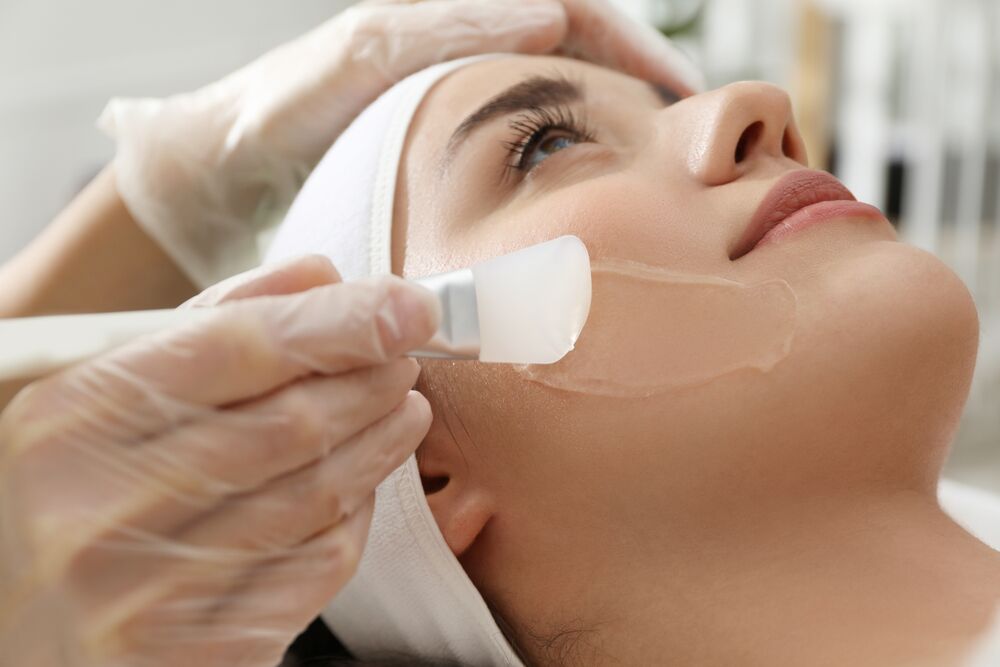
How often do you find yourself wishing you could shed your skin like a lizard, just so you could enjoy the beautiful, undamaged skin underneath? Probably more than you’d like to admit, right? Well, while you may not have the natural ability to do so (not as fast, at least), there are cosmetic procedures that can help you.
This cosmetic procedure is referred to as a medical chemical peel, and it is a resurfacing and exfoliation treatment that can remove your top layer of skin. Not only can these peels reduce facial imperfections like scars or acne, but they can also potentially diminish signs of aging. Deep chemical peels can offer more dramatic results than lighter peels, but they involve more downtime and a higher risk of side effects, so they’re only recommended for select candidates.
What Are Deep Chemical Peels?
Deep chemical peels use strong solutions, often phenol, to remove damaged skin layers and improve deep wrinkles, scars, and severe sun damage.
A deep chemical peel is a medical-grade resurfacing treatment. Your provider applies a chemical solution to the skin to remove damaged outer layers in a controlled way so fresher-looking skin can emerge as you heal.
Deep peels typically use phenol, also called carbolic acid, to reach deeper layers of skin. Because the treatment is stronger, it also involves more downtime and a higher risk of side effects than lighter peels, which is why careful screening and aftercare matter.
Benefits of Deep Chemical Peels
Deep chemical peels work by exfoliating your skin layer by layer, reaching deep inside your skin. When applied to the skin, it addresses all kinds of damage caused by the sun, age, and other harmful environmental elements. When the skin peels off, this will activate your body’s natural production of collagen while bringing healthier skin cells to the surface.
Overall, a deep chemical peel can help you with the following conditions:
- Skin laxity issues
- Deeper wrinkles
- Fine lines
- Acne spots
- Acne scars
- Skin discoloration
- Dull skin
- Skin texture issues (bumps, rough texture, dry patches)
Benefits can differ from one person to another, but for the most part, those wrinkles that appear when your face is at rest can be reduced. This is why deep chemical peels are a good option when you want to diminish the signs of aging.

What to Expect After a Deep Chemical Peel
There are different degrees of recovery for each type of medical chemical peel. Light peels typically heal quickly, and many people can wear makeup the next day. Medium peels often require about five to seven days before camouflaging makeup. A deep chemical peel is a bigger procedure, and you typically need to avoid makeup for at least 14 days.
After a deep chemical peel, expect significant redness and swelling, along with burning or throbbing. Your provider may apply a surgical dressing or protective covering, and you’ll usually need to soak the treated skin and apply ointment several times a day for about two weeks. Follow-up visits start early and continue during the first week so your provider can monitor healing.
New skin typically forms in about two weeks, but redness can last for months. Treated skin can become lighter or darker than normal and may lose its ability to tan, which is why strict sun protection is essential. Many dermatologists recommend total sun avoidance during early healing, and some recommend total sun avoidance for several months after a deep peel.
During healing, peeling, crusting, and tenderness are expected. Make sure to follow Dr. Shaw’s instructions and don’t try peeling the skin yourself, because picking at peeling skin can raise the risk of infection or scarring.
Results depend on peel depth and ongoing sun exposure. One deep chemical peel can produce long-lasting and dramatic improvement that may last up to 10 years, but skin continues to age, and new sun damage can lead to new lines or discoloration over time. You typically won’t need repeat deep-peel procedures to get the full effect, but you will need follow-up visits while you heal.
Deep Chemical Peel FAQs
Is a Deep Chemical Peel Safe? What Makes It Higher Risk?
Deep peels can be safe for selected candidates, but they carry higher risks like scarring, infection, pigment changes, and phenol-related concerns.
A deep peel removes deeper layers of skin than a light or medium peel, which is why it comes with more downtime and a higher chance of complications. Possible risks include scarring, infection, and changes in skin color that can last a long time. Deep peels are commonly performed with phenol, and providers screen carefully, review medical history, and follow structured aftercare to support safe healing.
How Long Is Downtime, and When Can I Wear Makeup Again?
Deep peel healing is usually 14 to 21 days, and most people wait at least 14 days to wear makeup.
Many medical references describe a deep peel as requiring two to three weeks of recuperation at home. New skin typically covers the treated area in about two weeks, but redness can last longer. Your provider will also give a clear timeline for when it’s safe to return to work, exercise, and makeup based on how you’re healing.
Do Deep Peels Permanently Lighten Skin or Affect Tanning?
Deep peels can lighten or darken treated skin and may reduce tanning ability, so sun protection and expectations matter long after healing.
With a deep peel, treated skin can become lighter or darker than normal, and some people lose the ability to tan normally in the treated area. This is one reason deep peels require strict sun protection during recovery and ongoing daily sunscreen after healing.
Can Deep Peels Trigger Cold Sores?
Yes. Deep peels can trigger a cold sore outbreak, so your provider may prescribe an antiviral if you’ve had cold sores before.
How Many Deep Peels Can You Get?
Deep chemical peels are typically done as a single facial treatment, and repeated deep peels are uncommon.
Is a Deep Peel Safe for Darker Skin Tones?
Deep peels have a higher risk of unwanted pigment changes in darker skin tones, so many providers recommend other options first.
Darker skin tones are often more prone to post-inflammatory hyperpigmentation after procedures that create controlled injury. Deep peels can also cause hypopigmentation in some cases. This doesn’t automatically rule out resurfacing, but it does mean the treatment plan should be individualized, and a provider may recommend a lighter peel or another approach based on your skin tone and goals.
What Should I Do If I Have a History of Abnormal Scarring?
Tell your provider before booking, because a history of keloids or abnormal scarring can raise the risk of scarring after a deep peel.
Deep peels carry a scarring risk, and providers often caution against deeper resurfacing in patients with a history of keloids or poor healing. The safest next step is a medical consult that reviews your scar history, your skin type, and any prior procedures. If a deep peel isn’t a good fit, your provider can recommend resurfacing options with a lower risk profile.
What Are Red Flags After a Peel That Should Prompt a Call to the Office?
Call your provider if symptoms worsen instead of improving, or if you see signs of infection, severe swelling, or unusual color changes.
A deep peel creates a controlled wound, so you should expect redness, swelling, peeling, and tenderness early on. Red flags include pain, redness, or swelling that intensifies rather than improves, drainage or pus, fever, spreading warmth, blistering, or areas that look unusually dark or pale. If anything feels off, it’s safer to call your provider for guidance tailored to your healing stage.
Renew Your Skin With a Deep Chemical Peel
Medical chemical peels can be very efficient in reducing imperfections. Light peels can refresh your face, but if you want to go big, a deep chemical peel can offer more benefits. At Synergy Face + Body, Dr. Travis Shaw will be happy to discuss whether deep chemical peels are right for you and ensure you receive excellent care.
Learn more about our deep chemical peel treatments today.
For more information about deep chemical peels and their efficiency, you can contact Dr. Travis Shaw, MD, at 804-775-4559. You can also use the provided online contact form, and Dr. Shaw will get in touch with you as soon as possible.
